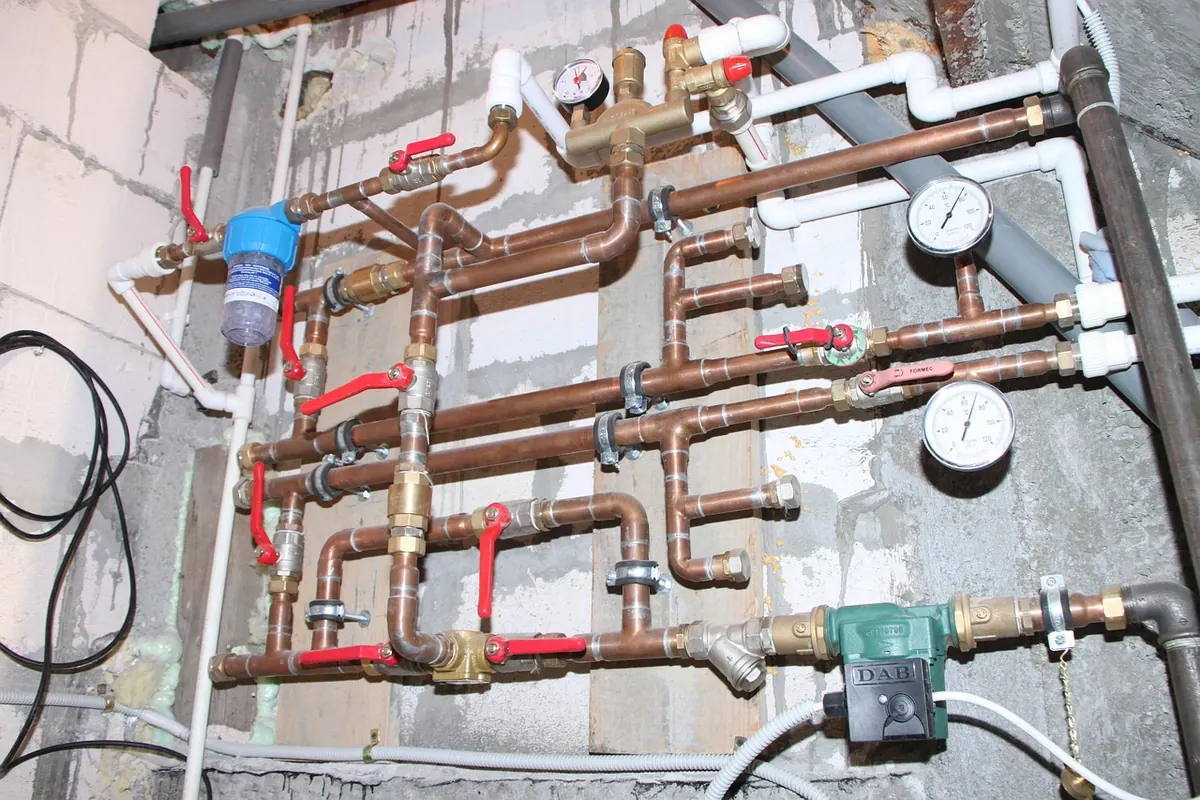
Heat Pump vs Gas Boiler: Which Is Cheaper to Run in the UK in 2025?
Ask ten installers whether a heat pump or a gas boiler is cheaper to run and you'll get ten confident answers, usually shaped by whatever they happen to fit. The honest version is messier. It depends on your home, your tariff, how well the system is set up and what you're comparing it against. Here's how to work out the answer for your house rather than someone else's.
The upfront bill, before grants
A straight replacement of a combi or conventional gas boiler typically lands somewhere between £2,000 and £4,000 fitted. A like-for-like swap sits at the lower end; converting from a tank system, moving a flue or dealing with old pipework pushes it up.
An air source heat pump usually runs from around £8,000 to £14,000 fitted, and ground source systems cost more again. The unit itself isn't the expensive part. Most of the cost sits in the work around it: larger radiators, a hot water cylinder, upgraded pipework, controls, and sometimes an electrical supply upgrade if your consumer unit is elderly.
That gap is real, and no amount of enthusiasm about efficiency makes it disappear. It does mean the comparison has to be made over ten to fifteen years, not over the first invoice.
Grants that change the arithmetic
The Boiler Upgrade Scheme is the main one for households in England and Wales, offering a substantial upfront grant towards an air source or ground source heat pump. Scotland runs its own grant and loan package through Home Energy Scotland, and there's separate support in Northern Ireland. Amounts and eligibility rules do change, so check the current position on GOV.UK or the Energy Saving Trust before you rely on a figure a salesperson quotes you.
Two details catch people out. First, the grant generally isn't available for hybrid systems that keep a gas boiler as backup, so if you fancy a halfway house you may be funding it yourself. Second, installation of qualifying energy-saving materials has been zero-rated for VAT, which quietly trims the total. If your installer's quote is vague about either, ask.
Running costs: the one ratio that matters
A modern condensing gas boiler turns roughly 90 per cent of the gas it burns into heat. A heat pump doesn't burn anything — it moves heat from outside air or ground into your home, and the useful measure is how many units of heat you get per unit of electricity. Well-designed systems in insulated homes often achieve a seasonal average of about three; poorly set-up ones manage two or less.
Here's the rub. Under the energy price cap, electricity costs roughly three to four times as much per kilowatt hour as gas. So for a heat pump to match a boiler on running costs, it needs to average an efficiency close to that price ratio. Get it right and the two are broadly level, with the heat pump sometimes ahead. Get it wrong — undersized radiators, a flow temperature left at 65°C, a cylinder set too hot — and you'll pay noticeably more.
Where smart tariffs and solar tilt the balance
Gas has no equivalent of a time-of-use tariff. Electricity does. Run a heat pump alongside an off-peak or dynamic tariff, a thermal store or a battery, and you can buy a good share of your heating at rates well below the standard unit price. Add solar panels and the maths shifts again, particularly if you're charging a battery in summer and drawing on it in winter. None of this is automatic — it needs the right controls and a bit of tinkering — but it's the clearest structural advantage heat pumps have.
There's a second scenario where the answer is much simpler. If you're off the gas grid, you're likely heating with oil, LPG or direct electric heaters. Against those, a heat pump is usually cheaper to run, even before grants.
Is your home suitable?
- Off the gas grid? A heat pump is usually the clear winner on running costs.
- Insulation. Loft and cavity wall insulation make a big difference. Solid wall homes can still work, but budget for it.
- Space. You need room for a hot water cylinder and an outdoor unit with clear airflow around it.
- Radiators. Heat pumps run best at flow temperatures of 45–50°C, so radiators often need upsizing by a size or two.
- Electrics. Older fuse boards and undersized supplies sometimes need upgrading first.
- Flats and leaseholds. No outdoor space or awkward permissions can rule it out. High heat retention storage heaters are worth a look instead.
Three things to do before you commit
- Insist on a proper room-by-room heat loss survey. A rough calculation over the phone is not a design.
- Ask for the intended flow temperature, the predicted seasonal efficiency and the cylinder size in writing. If an installer can't supply them, keep looking.
- Compare ten-year totals, not headline prices: installation minus grant, plus servicing, plus energy across a realistic year. Servicing costs are broadly similar, with heat pumps usually a little more.
The honest answer
For a typical home on mains gas, a heat pump is not automatically cheaper to run today. The electricity-to-gas price gap is the reason, and it's a policy question as much as a technical one. In a well-insulated house with correctly sized radiators and a system running at low flow temperatures, running costs tend to come out roughly level with a good boiler. Off the gas grid, or with a smart tariff and solar in place, the heat pump usually wins.
What you're buying with the extra upfront cost is lower carbon, no gas standing charge if you disconnect, and a system that will still make sense as boiler rules tighten over the coming decade. If running-cost savings alone are your only motivation and you're on mains gas with a working boiler, waiting and improving insulation first is a perfectly sensible decision.
Energy prices, grant amounts and scheme rules all change, so check current figures with GOV.UK or the Energy Saving Trust and get at least three quotes. If you're borrowing to fund the work, take independent financial advice before signing anything.
Photo: byrev / Pixabay


You Might Also Like
Free museums and paid attractions both have hidden costs. Here's how to compare them, time your visit off-peak and keep a family culture day affordable.
How the Booker Prize judging panel works, when the longlist and shortlist land, and practical ways to read along and join the conversation.